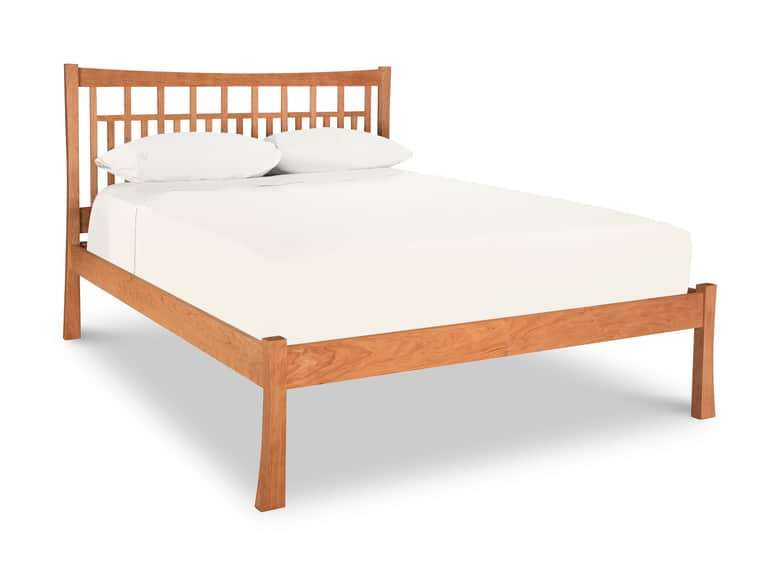
Contemporary Craftsman Low Footboard Bed

A Practical Guide to Organic Mattresses: Materials, Comfort, and Longevity

Explore the essentials of organic mattresses through a CT-informed lens, tracing how materials, comfort choices, and durability interact with Connecticut’s climate and living habits. This guide surveys common organic components, introduces regionally resonant brands, and offers practical steps to compare options—emphasizing non-commercial decision-making and sleep health.

Introduction

Organic mattresses are more than a label; they signify a commitment to materials and processes that minimize chemical exposure and support indoor air quality. In a climate like Connecticut’s—where humid summers and dry winters alternate—organic constructions can influence temperature regulation, moisture management, and overall sleep comfort. Certifications such as GOTS, GOLS, Oeko-Tex, and CertiPUR-US (where applicable) help readers verify claims. But beyond certifications, the practical questions remain: How does an organic mattress feel in real sleep, and how long will it last under daily use?

Connecticut Context

Connecticut residents experience varied seasons that affect bedding needs. In winter, warmth and insulation matter; in summer, breathability and airflow take precedence. An organic mattress that balances temperature regulation with sustainable materials aligns with a lifestyle that values wellness, local craftsmanship, and long-term durability. Regional design aesthetics—think timeless, understated textures—also play into how a mattress forms the foundation of a sleep-forward bedroom in CT homes.

Materials: The Building Blocks of Comfort

Organic mattresses typically combine several materials, each contributing a distinct feel, temperature profile, and durability. Here, we explore the common categories and how they perform in CT’s climate and households.

Cotton and natural fibers

Organic cotton and other natural fibers are often used in mattress covers and comfort layers. They offer breathability and a sense of natural comfort, especially when woven with a cooler construction like percale-inspired fabrics for the top panels. In CT homes, breathable covers help mitigate heat buildup during warmer nights, while still providing a soft touch that partners well with memory-foam or latex layers beneath.

Latex: responsiveness with resilience

Natural latex, often derived from rubber trees and processed with eco-friendly methods, provides buoyant support and excellent contouring. In CT conditions, latex’s open-cell properties can promote airflow, helping to regulate surface temperature across seasons. The result is a mattress that feels responsive yet capable of alleviating pressure points, a key factor for sleepers with varying weight distributions or sleep postures.

Wool and other natural insulators

Wool layers add temperature regulation through high moisture management, absorbing and releasing humidity as conditions change. In winter months, a wool-infused comfort layer can help preserve warmth without compromising breathability. For CT households seeking a cooler sleep surface in summer, wool’s natural properties work in concert with other breathable materials to promote a balanced night.

Hybrid constructions: the best of both worlds

Many organic mattresses blend latex or natural foam with a resilient innerspring core or a supportive foam base. These hybrids can provide the contouring of foam with the circulation benefits of coils (or a coil-like system). In CT homes, hybrids can offer a versatile performance across seasonal shifts, supporting back alignment while keeping surface temperatures comfortable.

Featured CT‑Aligned Option

Contemporary Craftsman Low Footboard Bed

A solid wood platform bed from Vermont, designed to endure for generations with an eco-friendly oil finish. It complements a sleep system with natural, durable frame support.

View product

Connecticut Sleep Journal: Three Time-Period Voices

  • Ancient CT: The Camp Bed Tradition — An early bed frame, crafted from local woods, illustrating how simple design served as a communal center for rest and ritual across seasons.
  • Industrial Age CT: The Craft of Woodwork — During the rise of American craftsmanship, CT artisans forged durable frames that paired well with early spring mattresses, highlighting the synergy between form and function.
  • Contemporary CT: Sleep Wellness and Design — Today’s CT households blend sustainability with technology, seeking organic materials that honor health, climate, and local design sensibilities.
Three Key Individuals Across Time

1) The Artisan of Ancient New England: Circa 1400s

In distant times, an anonymous CT woodworker might have carved a simple frame from locally sourced timber. Though not a household name, this figure embodies the spirit of local craftsmanship: practical, robust, and intimately connected to the land. Their work provided the stage for rest, family life, and the rituals of daily living, underscoring the enduring relationship between bed design and community.

2) The Industrial-Conscious Designer: Late 19th to Early 20th Century

As manufacturing advanced, CT-based workshops translated traditional joinery into mass-produced frames. This era highlighted durability, finish quality, and the marriage of form to function. The bed evolved from a simple sleeping platform into a curated element of the bedroom, foreshadowing modern concerns about materials, environmental impact, and long-term usability.

3) The Modern Sleep Scientist: 21st Century Connecticut

In contemporary times, the bed is a portal to wellness. A CT-based sleep scientist—often collaborating with design professionals—emphasizes breathable materials,-off-gassing considerations, and the alignment of bedding ecosystems with climate realities. This figure reflects a broader shift toward informed, health-centered choices in domestic interiors.

Practical Evaluation: How to Choose an Organic Mattress in CT

Readers should approach mattress shopping with a structured framework that prioritizes health, durability, and fit for climate and space. Consider the following steps as you compare options from brands and retailers known for organic constructions that align with CT sensibilities.

  • Clarify organic criteria: Look for certifications that reflect organic content, sustainable processing, and indoor air quality considerations.
  • Assess materials and temperature: Evaluate how latex, natural foams, latex hybrids, and wool layers perform in CT’s seasonal temperature shifts.
  • Test firmness and support: Use standardized test methods (in-store trials or home trial periods) to determine whether the mattress conforms to your preferred sleep position and body weight distribution.
  • Consider durability and warranty: Organic mattresses may offer longer warranties or nested coverage for structural integrity and comfort layer resilience.
  • Account for care requirements: Removable covers and easy maintenance contribute to long-term hygiene and performance in any climate.

Prominent CT-friendly brands that emphasize organic materials include Vermont-based designers who collaborate with regional mills and craft studios. While this article remains informational and non-commercial, readers may explore brands like Sferra, Vermont Furniture Designs, or Casper for context—keeping in mind that recommendations here center on durability, comfort, and transparency in materials rather than sales pitches.

CT-Focused Guides and Resources

The following CT-centric topics offer practical insights for homeowners and renters alike, with a focus on bed and mattress ecosystems that support healthy sleep without compromising local values.

  • Sleep tips for Connecticut winters: layering, moisture control, and warmth without overheating.
  • Small-space bedroom layouts in CT homes: maximizing storage, airflow, and bed flexibility.
  • Care for organic bedding: washing cycles, fabric care, and lifespan extension for sheets, toppers, and pillows.

In this editorial, we present a balanced, non-commercial perspective—an invitation to readers to engage with sleep science, design thinking, and regional considerations that enrich the sleeping experience in a Connecticut setting.

Conclusion: The Connecticut Sleep Identity

Organic mattresses are a nexus where health, design, and regional climate intersect. For Connecticut readers, the path to better sleep lies in informed evaluation, an emphasis on breathable materials, and a design sensibility that respects local craft and long-term durability. The three historical voices, from ancient CT woodworkers to the modern sleep scientist, remind us that a bed is more than a place to lie down; it is a scaffold for memory, ritual, and daily well-being. As you navigate choices—from fiber content to certifications, from care routines to warranty terms—let a CT-informed approach guide your steps toward restorative nights and enduring comfort.

Note: This article is designed to offer non-commercial guidance for organic mattresses and related bedding, with Connecticut-local context. Always verify current product specifications and certifications directly with manufacturers.

Related Products

Contemporary Craftsman Low Footboard Bed

Vermont Furniture Designs

Contemporary Craftsman Low Footboard Bed

Handcrafted to order in Vermont from solid cherry, maple, or walnut, this low footboard bed blends real wood warmth with durable, long-lasting quality and an eco-friendly oil finish for a natural sheen and easy care.
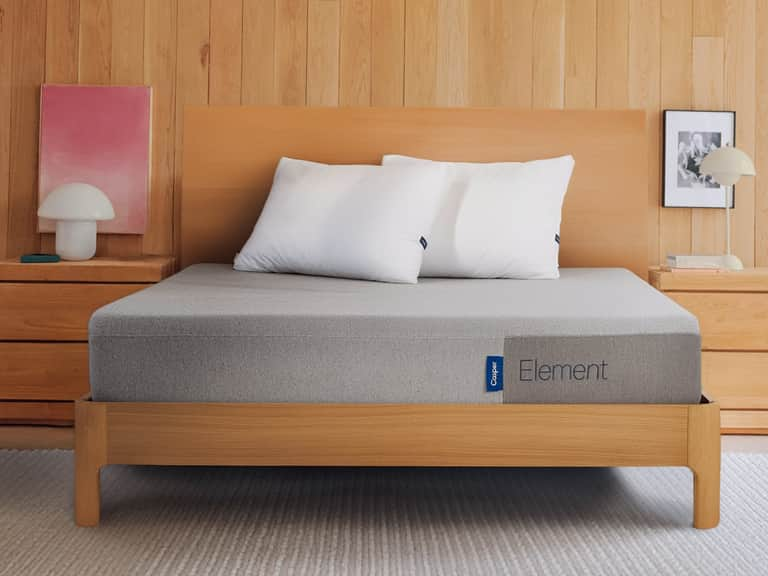
Element Mattress

Casper

Element Mattress

Sleep cooler all night with breathable open-cell foam, while Breathe Flex Foam and the four-way stretch knit cover adapt to you, reducing tossing and turning for comfort that lasts—backed by a solid 10-year warranty.
Loft Bed

Vermont Furniture Designs

Loft Bed

Sleep lofted in Vermont charm: durable cherry wood, clean lines, and strong joinery for a sturdy, timeless feel, finished with a low-VOC oil that’s gentle on kids and the planet. Effortless setup, long-lasting, and proudly sustainable.

Theme