Blankets and quilts add a practical layer of warmth and visual texture to a bed. Their weight, construction, and materials influence comfort across seasons, while their dimensions determine how they sit over sheets, pillows, and other bedding. Understanding these differences helps identify a suitable layer for everyday use or a more finished bed presentation.
Quilts commonly feature stitched layers that hold filling in place, while blankets may use a single woven or knitted fabric. Coverlets are typically lighter bed coverings designed to rest over the top of the bed. These distinctions help clarify how each layer can complement sheets, bedding, and the sleeping environment.
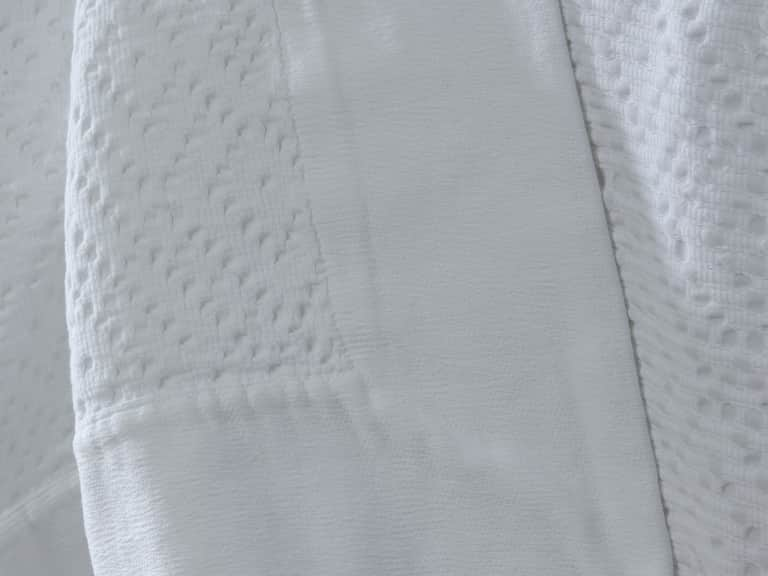
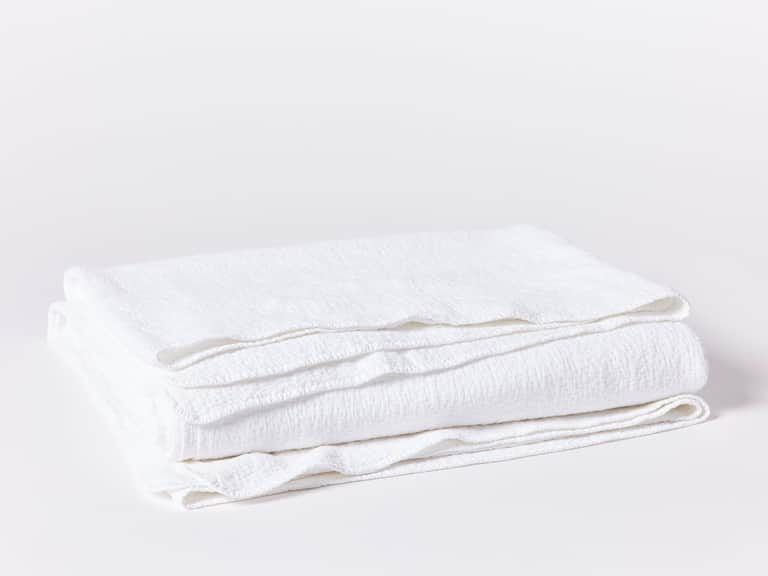
The Cascade Organic Matelasse Coverlet combines an organic-material focus with a textured matelasse weave. Matelasse construction creates a raised, quilted appearance without relying on a separate, bulky filling layer. This makes the coverlet useful as a lightweight top layer, adding surface texture and modest coverage while allowing other blankets to provide additional warmth.
When assessing a blanket or quilt, consider fabric composition, weave, weight, dimensions, and care requirements. Organic textiles may be relevant to people prioritizing material sourcing, while a lighter coverlet can suit warm rooms or layered beds. These considerations also help coordinate a bed covering with pillows, sheets, organic mattresses, and adjustable beds.
Blankets, quilts, and coverlets serve different roles within a bedding setup, from insulating warmth to decorative layering. The Cascade Organic Matelasse Coverlet offers a textured option for beds where a lighter covering is preferred. Comparing construction and intended use can help determine how a layer fits seasonal comfort needs and everyday routines.
 Bedding