Hybrid mattresses combine the responsive support of an innerspring system with the cushioning of foam layers. This construction is designed to balance pressure relief, stability, and ease of movement, making hybrid bedding relevant to people with different sleep preferences. Individual models vary in materials, firmness, and layer design, so these characteristics are useful points of comparison.
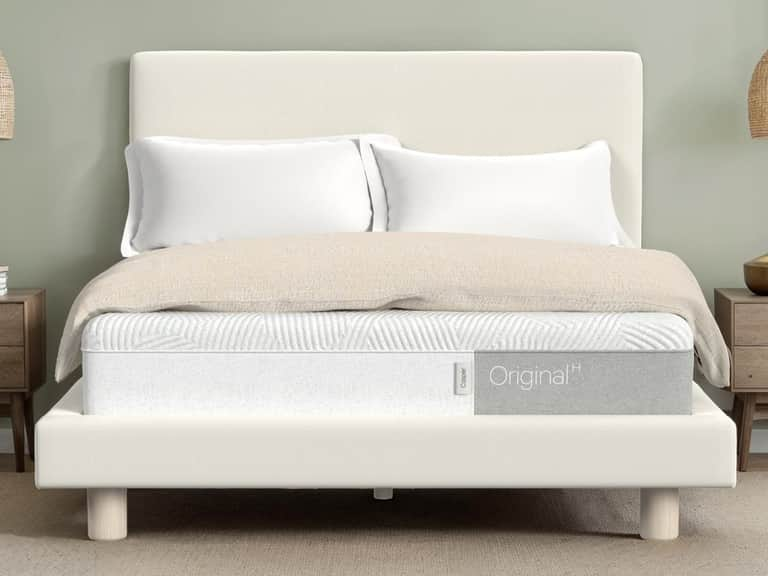
The Original Hybrid Mattress is a hybrid option that pairs supportive coils with comfort layers for a blend of contouring and bounce. Coils can help provide an even, supportive sleep surface, while foam layers cushion areas such as the shoulders and hips. Together, these features are intended to support comfortable rest and everyday usability.
Hybrid mattress performance depends on details such as firmness, foam composition, coil arrangement, and edge construction. These features may affect pressure distribution, airflow, and how easily a sleeper changes position. Considering sleep posture, body comfort, and temperature preferences can help explain which characteristics matter when comparing the Original Hybrid Mattress with other mattress types.
A hybrid mattress is one part of a broader sleep setup that may include pillows and breathable sheets. Pillow height and support influence head and neck alignment, while sheet fabric can affect surface feel and airflow. People comparing hybrid designs with organic mattresses should review material descriptions and certifications rather than assume all models use the same components.
Compatibility with adjustable beds is another practical consideration for hybrid mattress use. Some designs can flex with an adjustable base, but compatibility depends on the mattress construction and the base manufacturer’s guidance. Reviewing care instructions, dimensions, and support requirements helps clarify how the Original Hybrid Mattress may fit a bedroom setup and its intended daily use.
 Mattresses